 August 8, 2026 · 11 min read · by Tony
Drywall and plaster differences center on their material composition and application methods: drywall consists of prefabricated gypsum panels screwed to studs, while plaster is a labor-intensive wet paste applied in multiple layers over a lath base. For most homeowners, the choice comes down to a trade-off between the cost-efficiency and speed of modern drywall versus the superior soundproofing, fire resistance, and artisanal aesthetics of traditional plaster.
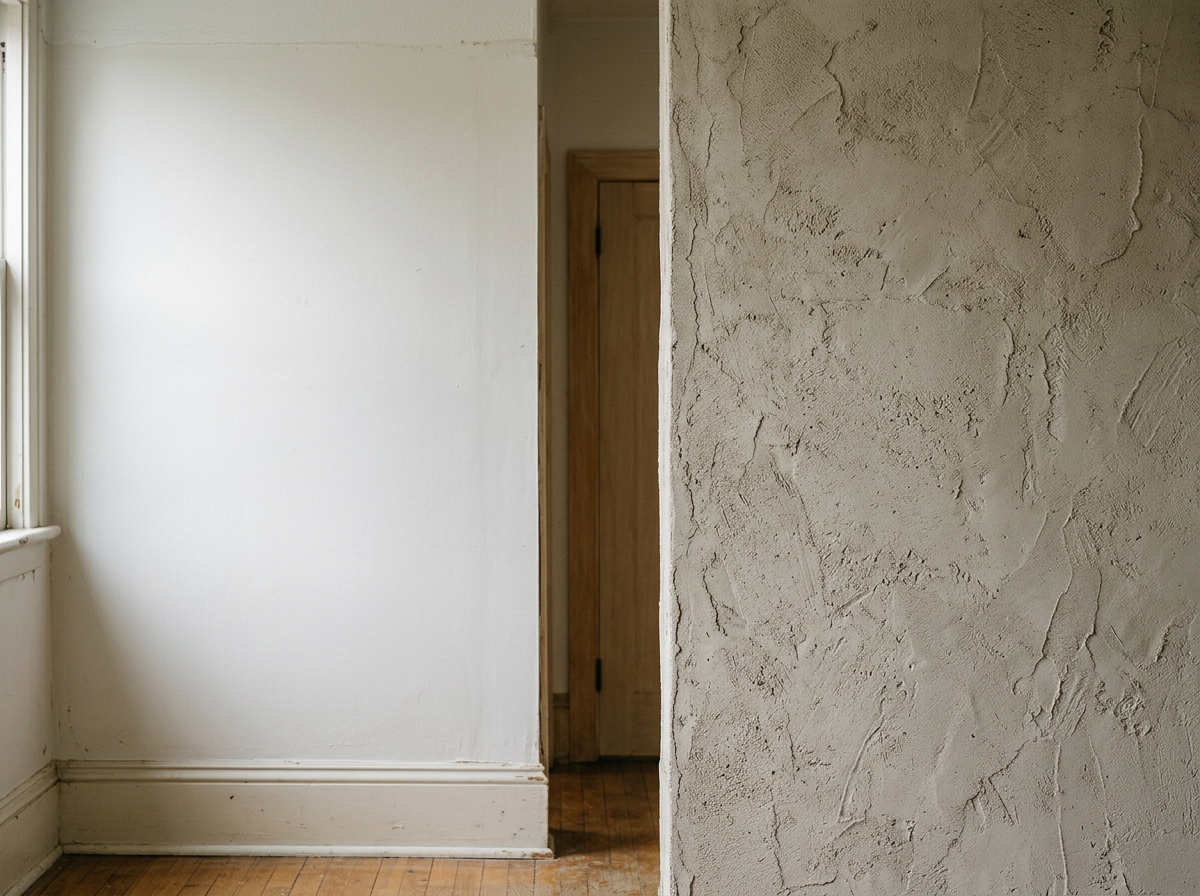
While both materials create smooth, paintable interior surfaces, they represent different eras of construction technology. Drywall (often called wallboard or Sheetrock) dominates over 70% of global shipments today because it is significantly faster to install during a home renovation. Conversely, plaster is a denser, harder material typically found in historic homes built before the 1950s, offering a level of durability and organic texture that modern manufactured boards struggle to replicate.
Главное: Comparison Summary
- Drywall is a factory-made gypsum core sandwiched between paper, designed for rapid installation.
- Plaster is a handcrafted mixture of lime, sand, and water, requiring specialized labor.
- Plaster offers better natural soundproofing and fire resistance due to its density.
- Drywall is more affordable, easier to insulate, and simpler for DIY repairs.
Composition and Manufacturing: Gypsum vs. Lime
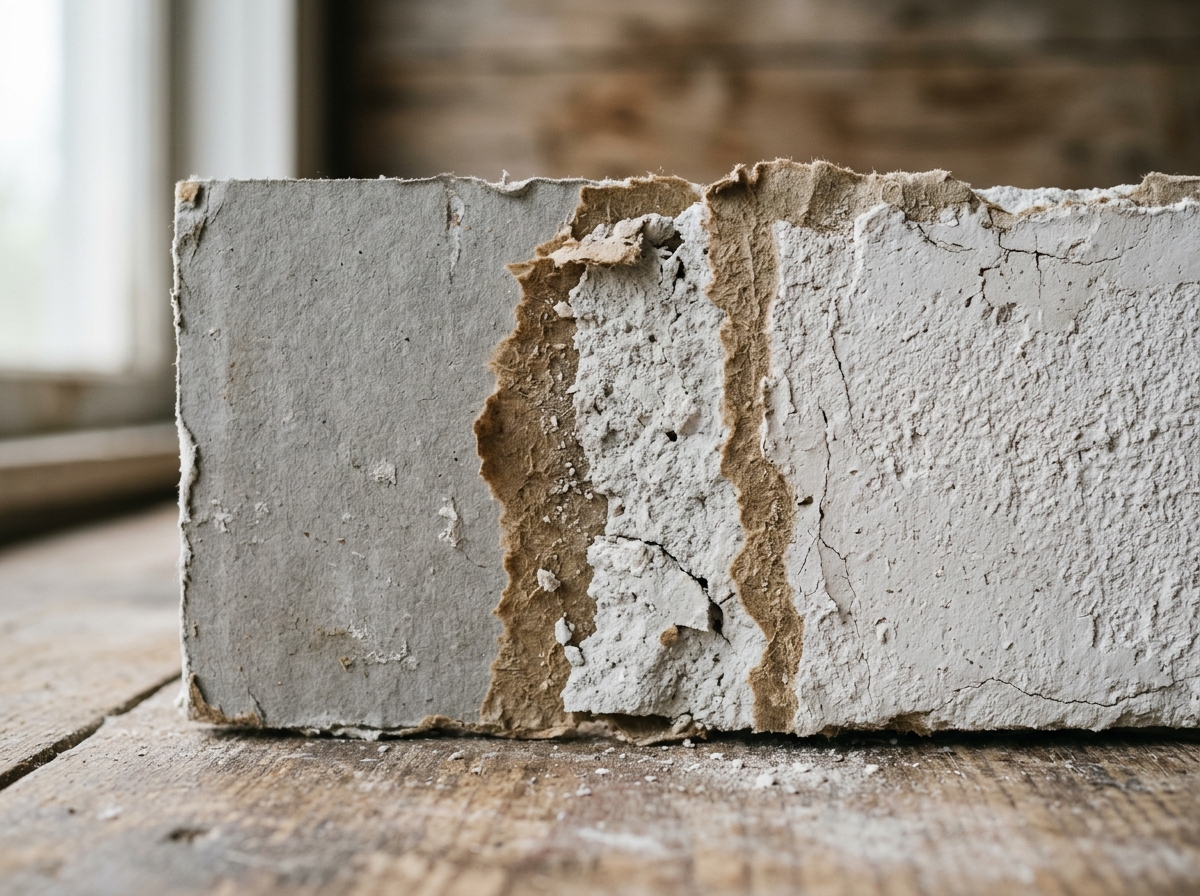
The primary difference in composition lies in how the gypsum is delivered to the wall. Modern drywall, such as the Sheetrock brand, is a prefabricated panel consisting of a gypsum core compressed between two layers of heavy recycled paper. This manufacturing process was revolutionized by the invention of the Sackett Board in 1890, leading to a massive industrial scale where 8.4 billion square meters of drywall were sold globally in 2020 alone.
| Feature | Drywall (Modern) | Plaster (Traditional) |
|---|---|---|
| Core Ingredients | Gypsum, paper, starch | Lime, sand, water, gypsum |
| Form | Rigid panels (4’x8′ typical) | Wet paste / mortar |
| Standard Thickness | 1/2 inch to 5/8 inch | 7/8 inch to 1 inch (total) |
Traditional plaster utilizes a wet mix of lime, sand, and water, which undergoes a chemical reaction to harden into a rock-like state. Unlike the standardized production of gypsum board, plaster is mixed on-site, allowing for variations in density and texture. While drywall relies on its paper facing for structural integrity, plaster gains its strength from the carbonization of lime, resulting in a wall surface that is significantly harder and less susceptible to impact damage than standard wallboard.
Installation Mechanics: Taping & Mudding vs. Lath & Trowel
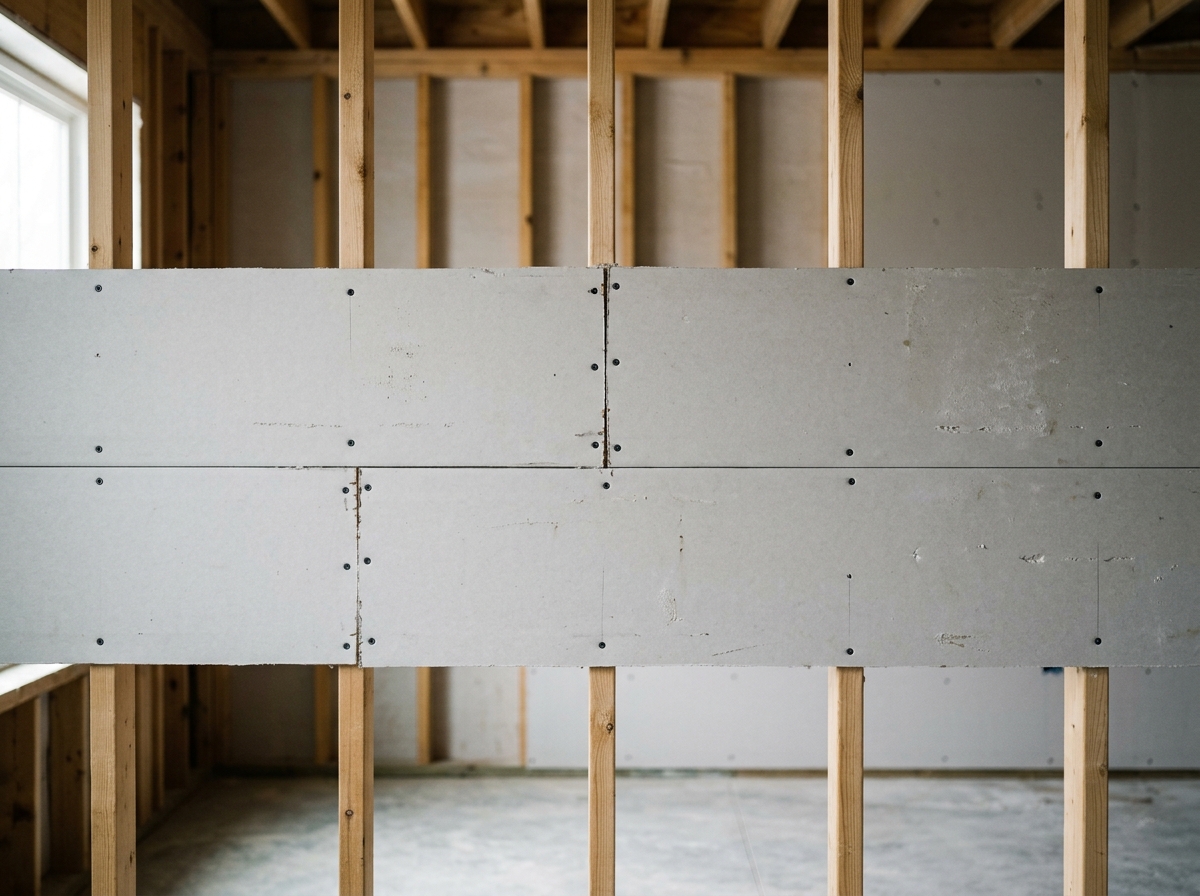
Installation of drywall follows a “hang, tape, and finish” workflow that is optimized for speed and reduced labor costs. Panels are fastened directly to wall studs using screws, and the seams are concealed using joint compound and paper or mesh tape. This process is relatively clean and can be mastered by DIY enthusiasts, making it the default choice for the majority of residential construction projects in the United States.
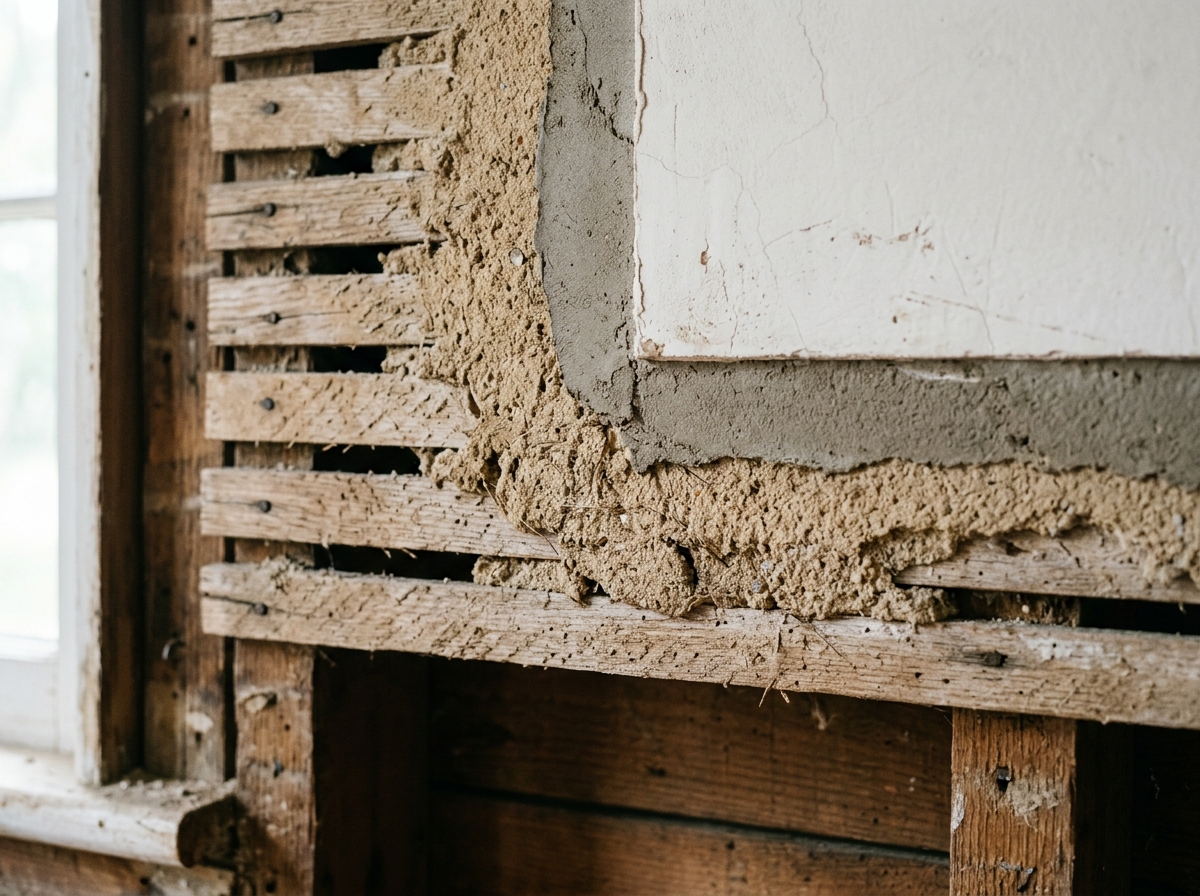
Plastering is a far more labor-intensive craft that requires a specialized substrate called lath—traditionally thin wooden strips, though modern applications use metal mesh. The plasterer applies three distinct layers: the scratch coat (to grip the lath), the brown coat (to level the surface), and the finish coat. Because each layer requires significant drying time, a plaster installation can take weeks to complete, whereas a drywall crew can finish an entire house in a matter of days. This disparity in installation time is the primary reason why plaster fell out of favor after WWII when housing demand skyrocketed.
Performance Metrics: Soundproofing, Durability, and Fire Resistance
In terms of performance, plaster is naturally superior for soundproofing and fire resistance due to its lack of internal air pockets and extreme density. A thick plaster wall acts as a massive barrier against sound transmission, whereas standard single-sheet drywall often requires additional layers or specialized “sound-dampening” boards to achieve similar results. However, modern engineering allows double 1/2-inch (12.7 mm) drywall setups to reach STC ratings as high as 59, which is sufficient for most high-end residential needs.
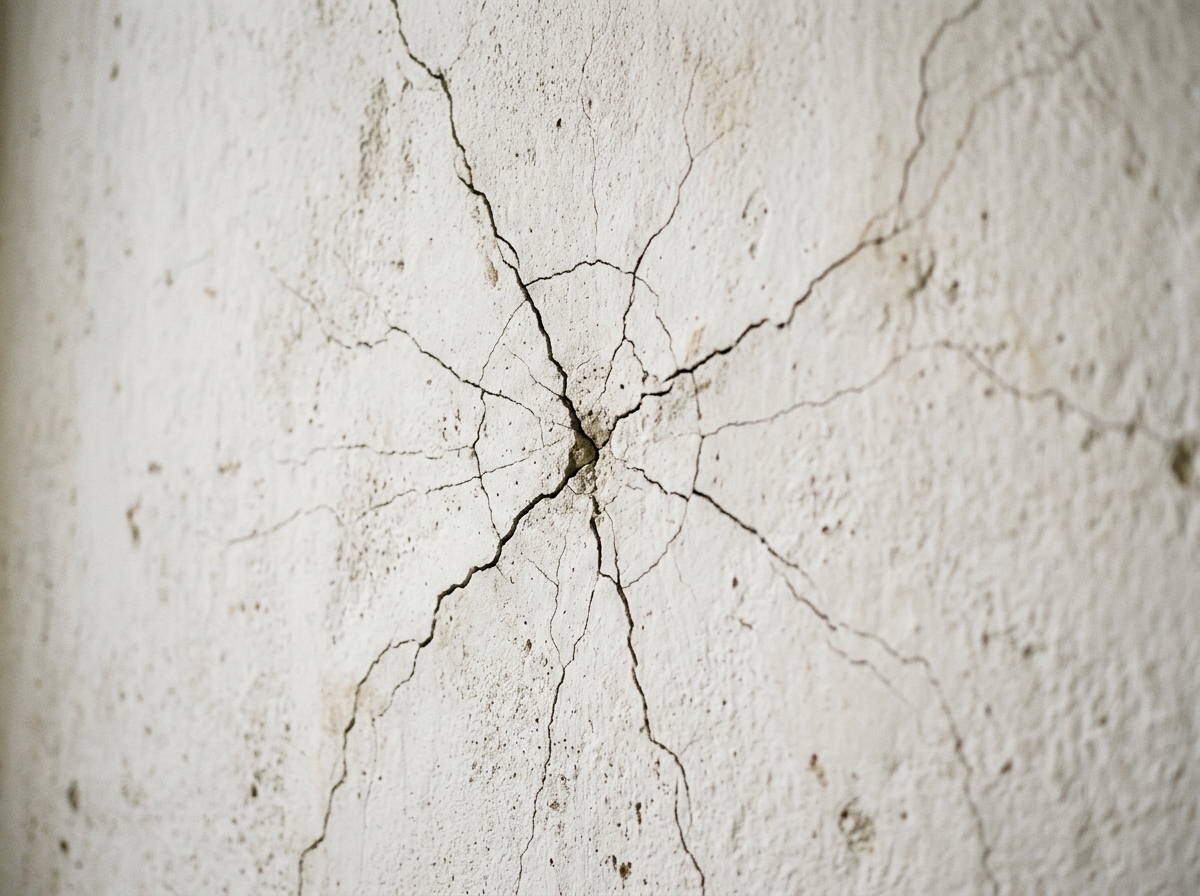
Regarding durability, plaster is the clear winner for impact resistance; it does not dent easily like the soft gypsum core of drywall. However, plaster is prone to cracking as a house settles over time, resulting in characteristic spiderweb fissures that are difficult to repair seamlessly. Drywall is more flexible and handles structural shifting better, but it has high moisture sensitivity. In areas prone to dampness, builders must use specialized moisture-resistant panels (Greenboard or Purple board) to prevent the paper facing from becoming a food source for mold.
Modern Insulation and Environmental Impact
The interaction between wall materials and modern insulation is a critical factor in energy efficiency. Plaster walls in older homes were often built without any insulation in the cavities, and their airtight, dense nature makes retrofitting with fiberglass batts difficult. In these scenarios, installers often use blown-in cellulose or spray foam to fill the irregular gaps behind the lath. Drywall, conversely, is designed to work perfectly with standard batt insulation, as the panels are installed after the insulation is tucked neatly between the studs.
From a sustainability perspective, both materials have environmental footprints. Gypsum mining is energy-intensive, but drywall is increasingly recycled into new boards or soil amendments. Lime production for plaster releases CO2 during the kiln-firing process, yet plaster walls can last centuries, potentially reducing the need for future renovations. When considering the total lifecycle, drywall’s lower transport weight and recyclability often give it a slight edge in modern green building certifications, provided the manufacturer utilizes synthetic gypsum (a byproduct of flue-gas desulfurization).
Cost Analysis for the US Market (2026)
The installation cost for drywall in 2026 remains significantly lower than plaster, primarily due to the difference in labor costs. For a standard home renovation, drywall materials are inexpensive, and the labor market is saturated with qualified installers. In contrast, finding a master plasterer is increasingly difficult, and their hourly rates reflect that specialized expertise. In the US market, choosing plaster can easily triple the total project budget compared to a high-end drywall finish.
Building codes in many US jurisdictions also favor drywall for its standardized fire ratings. Type X drywall, which contains glass fibers, is the mandated standard for garage firewalls and multi-family separations because its performance is lab-certified and predictable. While plaster is naturally fire-resistant, local inspectors often prefer the documented UL ratings provided by gypsum board manufacturers, which can simplify the permitting process and potentially lower insurance premiums.
DIY Transition: From Traditional Plaster to Modern Drywall
Transitioning from old plaster to drywall during a home renovation is a common DIY task, but it requires careful planning regarding wall depth. Traditional lath and plaster systems are typically 7/8 inch to 1 inch thick, while standard drywall is only 1/2 inch thick. This means that if you remove plaster from one wall but leave it on the adjacent one, the surfaces will not be flush at the corners. To fix this, you must use furring strips or shims on the wall studs to bring the drywall out to the correct depth.
- Demolition: Remove the old plaster and wooden lath. Wear a high-quality respirator, as old plaster creates immense amounts of dust and may contain horsehair or lead paint.
- Preparation: Inspect the studs for rot or instability. This is the best time to upgrade electrical wiring and modern insulation.
- Shimming: Use thin wood shims to level the studs. Since old studs are often warped, this step ensures your new drywall will be perfectly flat.
- Installation: Hang the panels horizontally, secure with screws, and apply joint compound in thin, multiple layers to ensure a smooth finish.
Veneer Plaster: The Modern Hybrid Approach
For those seeking the luxury look of plaster with the speed of drywall, veneer plaster is the ideal middle ground. This system uses a specialized gypsum base known as blueboard, which has a chemically treated paper facing designed to bond with wet plaster. Instead of three thick coats, a professional applies a thin skim coat of high-density plaster, typically about 3/32 inch (2 mm) thick, over the entire surface.
The result is a wall that is much harder than standard drywall and possesses the seamless, monolithic appearance of traditional plaster. Veneer plaster eliminates the need for repeated sanding of joint compound, as the finish coat is troweled to a smooth glass-like shine while wet. While more expensive than basic drywall, it is significantly faster and more affordable than traditional three-coat lath and plaster, making it a popular choice for high-end custom homes in 2026.
Identification and Maintenance: Which Wall Do You Have?
Identifying your wall material is essential before attempting repairs or hanging heavy decor. The simplest non-destructive method is the “push pin test.” Try to push a standard thumbtack into an inconspicuous area of the wall. If the pin slides in easily with thumb pressure, you have drywall. If the pin bends or requires a hammer to penetrate, you are dealing with the hard, brittle surface of traditional plaster.
Maintenance requirements differ between the two. Drywall is prone to “popped nails” and joint cracks, which are easily fixed with a bit of mud and paint. Plaster cracking is more structural; large cracks often indicate that the plaster has pulled away from the lath (keys have broken). In such cases, simple patching won’t work; you may need to use plaster washers to re-secure the material to the studs before applying a finish skim coat. For minor holes, plaster requires a specific patching plaster, as standard joint compound may not bond correctly to the alkaline surface of old lime plaster.
Conclusion: Choosing the Right Material for Your Project
Deciding between drywall and plaster depends on your project’s specific priorities regarding budget, timeline, and architectural style. If you are conducting a standard home renovation where speed and cost-efficiency are paramount, drywall is the undisputed winner. It offers reliable durability, easy integration with modern insulation, and a straightforward path for DIY maintenance.
However, if you are performing a historical restoration or building a luxury home where soundproofing and a premium aesthetic are the goals, the investment in veneer plaster or traditional methods is often justified. Plaster provides a depth of character and a level of fire safety that mass-produced boards cannot fully replicate. Always consult local building codes in your region of the US to ensure your choice meets fire rating requirements for your specific structure.
Frequently Asked Questions
- What is drywall?
Drywall, also known as gypsum board or Sheetrock, is a prefabricated panel made of a gypsum core sandwiched between heavy paper. It is the standard for modern US construction because it is fast to install and cost-effective compared to traditional wet plaster methods. Its invention allowed for the rapid expansion of suburban housing after 1945. - Is plaster more expensive than drywall?
Yes, plaster is significantly more expensive than drywall for both materials and labor. While the raw material costs for lime and sand aren’t drastically higher than for gypsum boards, the labor cost for a master plasterer is much higher due to the skill required. Plastering is a specialized trade requiring multiple coats and days of drying time. - Which is better for soundproofing: plaster or drywall?
Plaster is generally superior for soundproofing because it is a denser, solid mass that lacks the hollow air pockets often found behind drywall. However, you can achieve excellent results with modern drywall by using double-layered 1/2-inch panels or specialized sound-dampening variants, which can reach STC ratings up to 59. - Can you plaster over drywall?
Yes, this modern hybrid technique is known as veneer plastering. You must use a specific type of gypsum board called “blueboard,” which has a special absorbent paper. A thin skim coat (about 3/32 inch or 2 mm) of high-strength plaster is then applied over the board to create a seamless, hard finish. - How can I tell if a wall is drywall or plaster?
The most reliable method is the push pin test. Try to push a thumbtack into the wall in a hidden spot like inside a closet. If the pin enters the wall easily, it’s drywall. If it resists or the pin bends, it’s likely plaster. You can also check the thickness of the material at an electrical outlet box. - Why did builders stop using plaster?
The shift occurred primarily due to the post-WWII housing boom, which demanded extreme speed and efficiency. Drywall allowed builders to finish interior walls in a fraction of the time required for wet plaster, using less specialized labor. Today, drywall makes up over 70% of global wallboard shipments. - Is plaster fire resistant?
Yes, plaster is naturally fire-resistant because it is a dense, non-combustible mineral product. Modern drywall also offers significant fire resistance, particularly “Type X” panels. These are manufactured with glass fibers in the gypsum core to maintain structural integrity longer during a fire. - Does drywall cause mold issues?
Standard drywall can be susceptible to mold because the paper facing provides a food source for fungi if it stays wet. In moisture-prone areas like bathrooms or basements, it is essential to use moisture-resistant “Greenboard” or mold-resistant “Purple board,” which are treated with antimicrobial agents.